A clear guide to choosing quality vinyl: differences between editions, pressing countries, record labels and...
- There are no more items in your cart
- Shipping Free
- Total €0.00
Latest posts
-
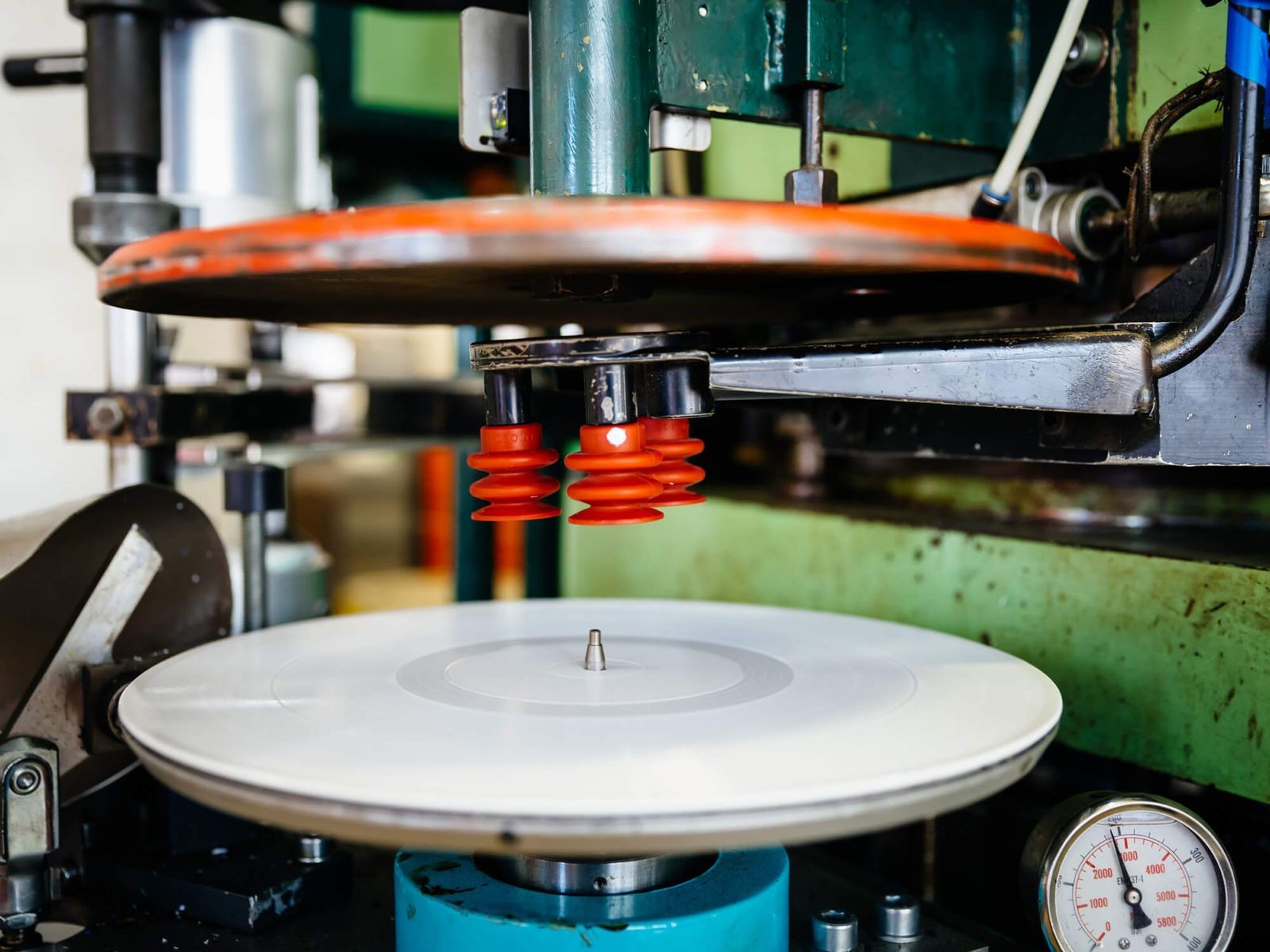 The Sound Behind the Record: How to Choose a Quality Vinyl PressingRead more
 -
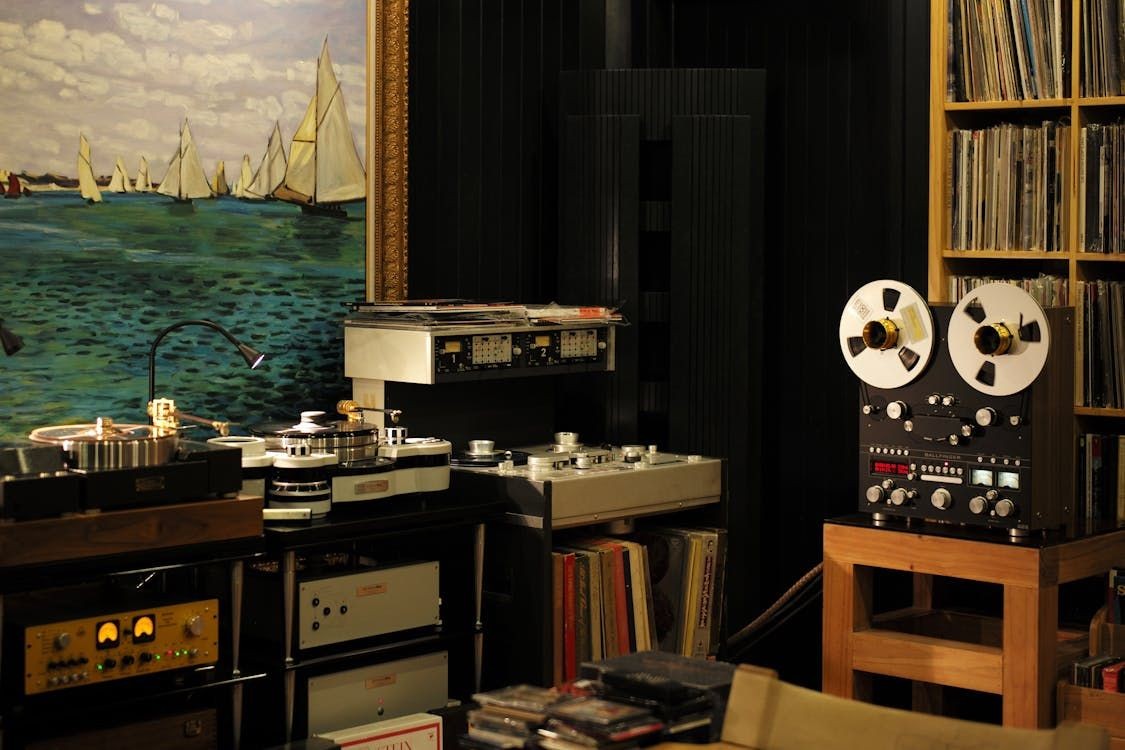 When Music Slows Down: Ritual, Presence, and the Physical FormatRead more
A thoughtful essay on how physical music formats - vinyl, CDs, or tapes - bring intention, ritual, and presence back...
-
 The Jazz that opens the year - 5 collector albums for the middle of winterRead more
5 jazz vinyl albums to start the year right – a warm, elegant winter selection available now at Retrospace.
-
 From carols to winter music - from the modern era to the contemporary ageRead more
A brief look at how Christmas carols and holiday music have evolved from the 1920s to today, balancing tradition,...
-
 The Victorian Era: The Golden Age of Christmas CarolsRead more
The second volume of the History of Christmas Carols explores the Victorian Era, a defining period in which carols...
-
 The History of Christmas Music: from Antiquity to the Middle AgesRead more
An engaging overview of the origins of Christmas carols, from their roots in Antiquity to their suppression and...
-
 From the Creator Spirit to Redbone: The History of Native American MusicRead more
Explore the captivating journey of Native American music—born from spiritual tradition, shaped by community, and...
-
 Launching the Retro BlogRead more
Welcome to the Retro Blog, a space where we share our common passion for music, analog sound, vintage audio...
Blog categories
Search in blog
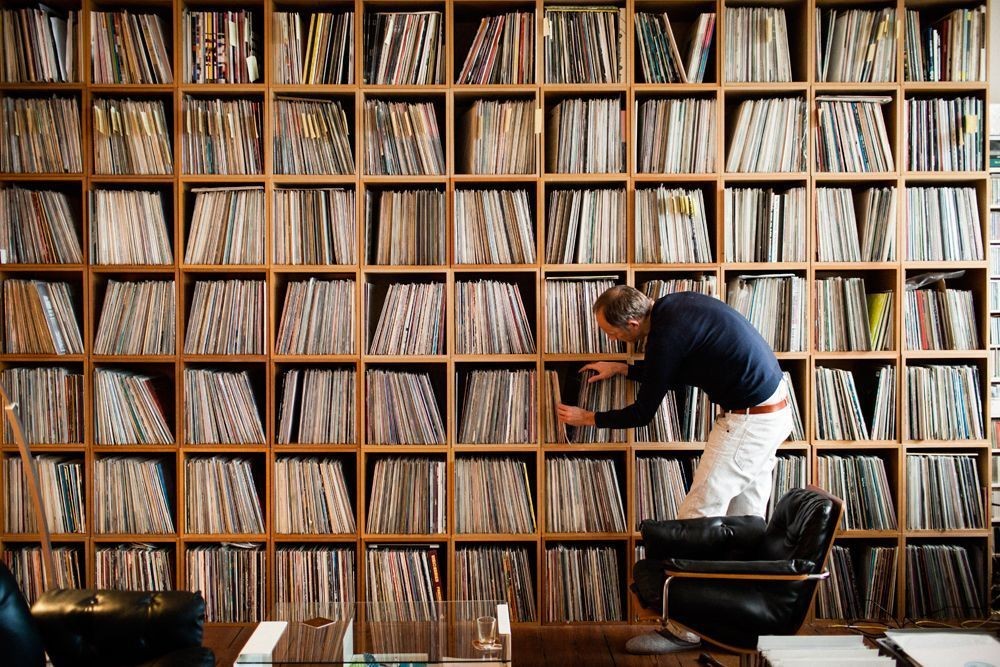
When Music Slows Down: Ritual, Presence, and the Physical Format
In recent years, music has mostly entered my life through streaming services. Qobuz and Tidal have become constant, convenient, and efficient sources. Instant access, vast catalogues, and integration with audiophile-focused ecosystems, through interfaces like Roon or Audirvana, have made musical exploration easier than ever. Fine-tuning options, subtle corrections, and intelligent radio and recommendation features have turned listening into a smooth, almost frictionless experience. Digital audio has undoubtedly reached a level of maturity that offers quality, comfort, and freedom.
We are living in a privileged era when it comes to access to music. Modern streamers, whether integrated or dedicated, allow full control from a phone, tablet, or laptop, effortlessly and without interruption. Everything is just a click away. In a way, it is a portable universe, a vast space for sonic exploration that opens instantly and adapts to our preferences. A fascinating territory, but also one in which it is easy to get lost, because the rhythm is dictated by speed rather than intention. Retrospace was not born as a reaction against this universe, but as an alternative to it: a place that proposes a different relationship with music, one that is slower, more grounded, closer to the object and the gesture.
At the same time, our attention has become increasingly fragmented. Social media platforms, such as Instagram, TikTok, YouTube Shorts, operate on mechanisms of rapid stimulation, optimized for short and repetitive consumption. Meaningful content exists alongside a constant flow that favors immediate reaction over reflection. Without it being the user’s fault, a consumption loop is created, one that rarely invites pause, introspection, or presence. In this context, relying exclusively on streaming can sometimes become an extension of the same dynamic: abundant, fast, always available, yet easily forgotten.
Streaming itself is not the problem and does not need to be excluded. It has its rightful place. The difference becomes clear when we compare it to physical formats, whether analog or digital. Vinyl, CDs and tapes of all sorts ask something different from the listener: intention. Choosing an album is no longer impulsive, but the result of searching. Collecting is not about accumulation, but about relationship. Ownership is not about status, but about closeness to the artistic act. A collection is built over time, with attention and presence, and each title becomes part of a personal story, even when its role remains purely contemplative.
Listening inevitably turns into a ritual. Selecting the record, taking it out of its sleeve, cleaning it, placing it on the turntable or into the player, these simple gestures create a different space for relating to music. The interaction is no longer purely auditory, but also tactile, visual, and sometimes even olfactory. Objects carry traces of time, and when they are vintage, this dimension becomes even more present. The sound of a well-pressed old record or a carefully preserved magnetic tape brings a warmth that is difficult to replicate digitally, not as technical superiority, but as an expression of a different listening philosophy. Artwork, materials, and the distinctive scent of old sleeves complete the experience and anchor it more deeply in reality.
Paradoxically, in a world where music is more accessible than ever, it can also be easier to lose. Physical formats do not compete with streaming; they complement it. They open a tangible, personal dimension that slows the pace and shifts the focus from consumption to experience. It is a way of listening that encourages presence, careful discovery, cultural depth, and self-expression, without pressure and without haste.
For those who have not yet explored this space, the invitation is simple: curiosity and openness. For those who already know it, there remains the joy of ritual and of meeting music in its more intimate form. Retrospace is, above all, a place for these encounters—whether with records, equipment, or people who share the same passion.
- by our own, Vlad P
Posted in:
Audio exploration
Related posts
-
The Sound Behind the Record: How to Choose a Quality Vinyl Pressing
A clear guide to choosing quality vinyl: differences between editions, pressing countries, record labels and...Read more
Leave a comment
Comments
nostalgie, in alte cuvinte...
By: Dorin On 02/11/2026mda, frumos zis, mi-a facut dor
total de acord
By: Razvan On 02/08/2026Bine zis și frumos scris. Sunt perfect de acord. Mi-am dat seama de ceva vreme deja, exact cum ai zis și tu, cât de ușor este fie sa te pierzi, fie sa uiți ce ai ascultat în oceanul streaming-ului...asta după ce am copilărit cumpărând casete de la tarabe, copiind CD-uri pe casete si aflând de trupe noi și muzica în general din reviste, fan zine-uri, emisiuni, etc.