
A clear guide to choosing quality vinyl: differences between editions, pressing countries, record labels and...
- There are no more items in your cart
- Shipping Free
- Total €0.00
Latest posts
-
 The Sound Behind the Record: How to Choose a Quality Vinyl PressingRead more
 -
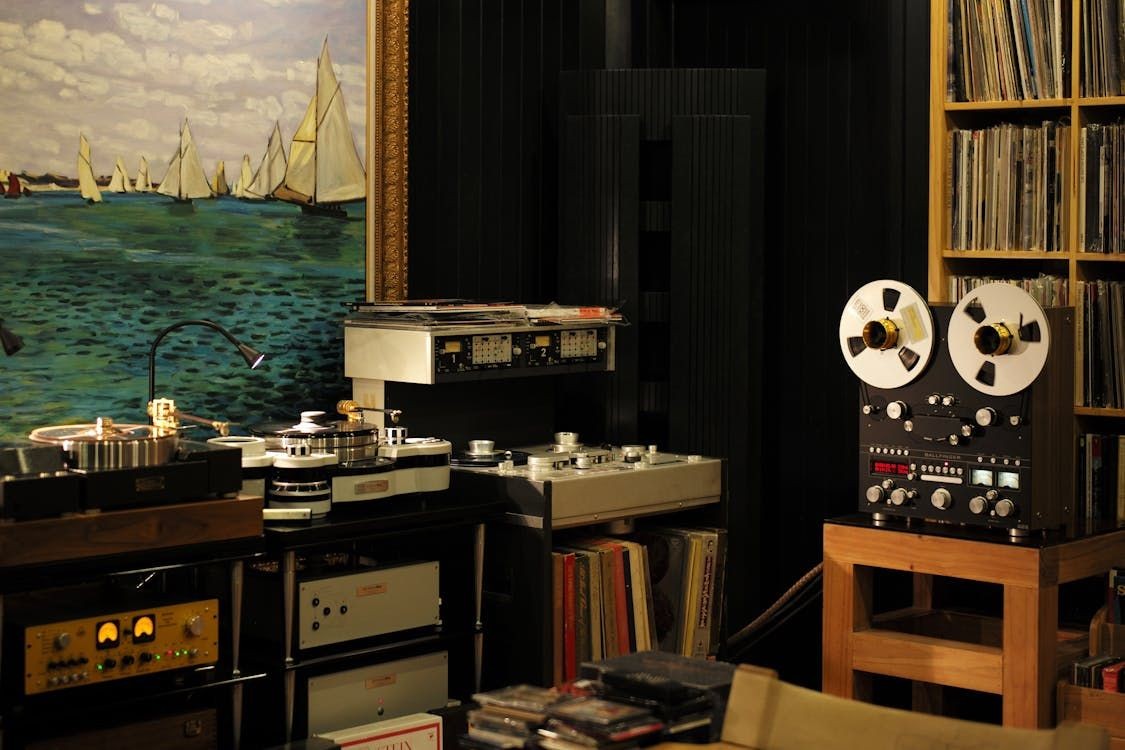 When Music Slows Down: Ritual, Presence, and the Physical FormatRead more
A thoughtful essay on how physical music formats - vinyl, CDs, or tapes - bring intention, ritual, and presence back...
-
 The Jazz that opens the year - 5 collector albums for the middle of winterRead more
5 jazz vinyl albums to start the year right – a warm, elegant winter selection available now at Retrospace.
-
 From carols to winter music - from the modern era to the contemporary ageRead more
A brief look at how Christmas carols and holiday music have evolved from the 1920s to today, balancing tradition,...
-
 The Victorian Era: The Golden Age of Christmas CarolsRead more
The second volume of the History of Christmas Carols explores the Victorian Era, a defining period in which carols...
-
 The History of Christmas Music: from Antiquity to the Middle AgesRead more
An engaging overview of the origins of Christmas carols, from their roots in Antiquity to their suppression and...
-
 From the Creator Spirit to Redbone: The History of Native American MusicRead more
Explore the captivating journey of Native American music—born from spiritual tradition, shaped by community, and...
-
 Launching the Retro BlogRead more
Welcome to the Retro Blog, a space where we share our common passion for music, analog sound, vintage audio...
Blog categories
Search in blog
The Victorian Era: The Golden Age of Christmas Carols
Welcome back, lovers of music!
Mr. Moore here, with the second volume in our series dedicated to the History of Christmas Carols — this time focusing on the Victorian Era.
Last time, we discussed how carols were rediscovered and popularized during the early Victorian period. Although this era, which takes its name from the prosperous reign of Queen Victoria — referred to by the French as La Belle Époque — represented a time of progress in Europe, for Americans it was marked by profound change and a devastating conflict: the Civil War.
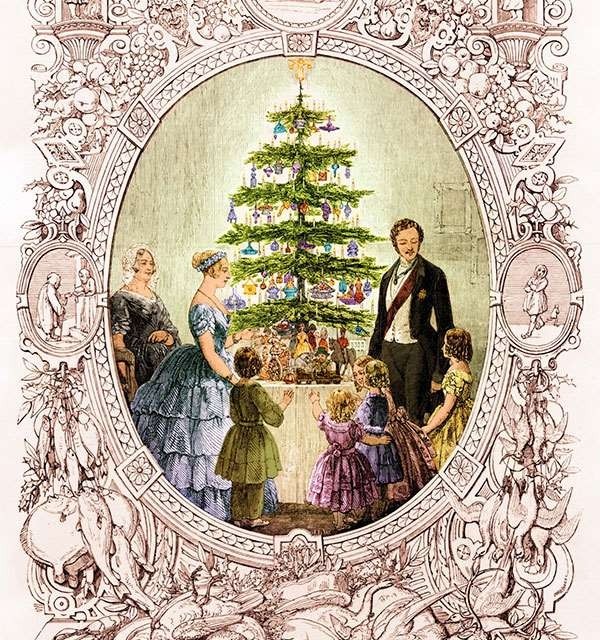
Nevertheless, a different kind of revolution took place — a revolution of carols. This was strongly supported by the influence of Prince Albert, Queen Victoria’s husband, who brought to England from Germany the tradition of decorating the Christmas tree, biscuit pudding, and many other festive customs, contributing decisively to the popularization of Christmas as a celebration.
As a result, in 1880, a bishop named E. W. Benson held a service entitled “Nine Lessons with Carols,” which broke the social barriers of the time, bringing carols — previously largely reserved for the middle class — closer to the less privileged. The importance of this service was so great that, after the First World War, a “remake” took place, called “A Festival of Nine Lessons and Carols,” which also symbolized a moment of reflection and peace for those who had fallen on the front between 1914 and 1918.
Some memorable examples of Victorian carols include:
“Good King Wenceslas” (1853),
“O Little Town of Bethlehem” (1868),
“Away in a Manger” (1885),
“Go Tell It on the Mountain” (1871),
and the classic “Jingle Bells” (1857).
These carols went hand in hand with the tradition of wassailing, or going caroling, in which a group of people sang to the hosts of a home in exchange for drinks or food — especially a type of warm, spiced cider served from the famous wassailing bowl. This custom also contributed to fundraising for charitable causes. A representative example is the carol “Here We Come A-Wassailing.”
Many people contributed to the creation and spread of carols — writers, singers, and businesspeople alike. One of them is Ronald Clancy, founder of Christmas Classics Ltd., who shares the following story about one of the great poets of the era:
“In 1863, Henry Wadsworth Longfellow wrote a poem entitled ‘Christmas Bells.’ He was in a deep state of depression on Christmas Eve. He had lost his beloved wife two years earlier, unable to save her when her dress caught fire, and he himself suffered severe burns in that tragedy. He was also overwhelmed with worry for his eldest son, who had gone to fight in the Union Army during the Civil War. When he heard the church bells on Christmas Day, he felt a wave of hope. The poem would later become the lyrics of the carol ‘I Heard the Bells on Christmas Day.’”
The Civil War brought immense suffering to Americans, but also a welcome change that followed shortly after the end of the conflict. During Abraham Lincoln’s presidency, the 13th Amendment to the U.S. Constitution was adopted, prohibiting any citizen from owning, buying, or selling another human being.
A remarkable development resulting from these changes was the tour of The Fisk Jubilee Singers, a university choir that performed concerts for figures such as Queen Victoria, Mark Twain, Ulysses S. Grant, Johann Strauss, and many others, with the goal of raising funds for the university. Their success was extraordinary.
In conclusion, the Victorian era truly represented a golden age of Christmas carols, and many of the traditions still practiced today have their origins in this period.
Merry Christmas!
Mr. Moore signing out.
Selection:
https://retrospace.ro/ro/folk-country-latin-world/15783-various-stille-nacht.html
Sources:
https://www.historic-uk.com/CultureUK/History-Christmas-Carols/
https://www.plymouth.ac.uk/discover/the-history-of-christmas-carols?utm_source=chatgpt.com
https://musicinourhomeschool.com/christmas-caroling/
http://capemaymag.com/arts-and-entertainment/victorian-vignette/victorians-and-christmas-music/
Posted in:
Music history
Related posts
-
From the Creator Spirit to Redbone: The History of Native American Music
Explore the captivating journey of Native American music—born from spiritual tradition, shaped by community, and...Read more
-
The History of Christmas Music: from Antiquity to the Middle Ages
An engaging overview of the origins of Christmas carols, from their roots in Antiquity to their suppression and...Read more
-
From carols to winter music - from the modern era to the contemporary age
A brief look at how Christmas carols and holiday music have evolved from the 1920s to today, balancing tradition,...Read more
Leave a comment